
The “iPad Kid” Crisis: How America’s Screen Epidemic is Bankrupting Your Workplace
Imagine sitting in a meeting where a simple document needs to be reviewed, but no one in the room has the patience to read beyond…
 Work & Economy
Imagine sitting in a meeting where a simple document needs to be reviewed, but no one in the room has the patience to read beyond…
 Work & Economy
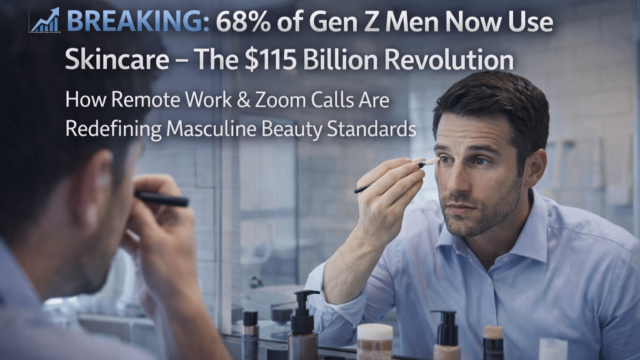
Professional men are secretly using makeup—not for beauty, but survival. Realtor Ben Dixon credits an $18 concealer for closing a $30 million deal, calling it his “digital armor” for video calls. Publicist Gabriel Reyes, 60, applies foundation as his professional “mask” before meetings. This isn’t vanity—it’s economic reality. The men’s grooming market exploded from $61.3 billion to a projected $115.3 billion by 2028, driven by “Zoom dysmorphia” and workplace aesthetic pressure. In the high-definition economy, appearance has become mandatory human capital. While 68% of Gen Z men now use facial skincare, the shift reveals a hidden professional tax: those who can’t afford aesthetic enhancement face systematic career disadvantage.
 United States
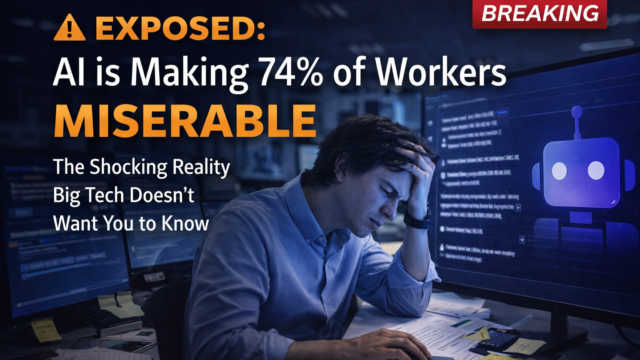
AI isn’t replacing white-collar jobs instantly—it’s degrading them through brutal pay cuts and deskilling. Professional writer Jacqueline Bowman saw her salary slashed 50% after being demoted to “AI editor,” spending twice the time cleaning up algorithmic errors. Journalist Mateusz Demski was fired and replaced by synthetic AI avatars. This is “AI workslop”—a purgatory where knowledge workers become digital janitors. Companies grow revenue 15% while freezing headcount, eliminating entry-level positions that built the middle class. The real crisis isn’t mass unemployment tomorrow—it’s the structural erosion of professional careers happening right now, creating a “silicon ceiling” that traps workers in precarious, low-paid AI supervision roles while executives enrich shareholders.
 Economy
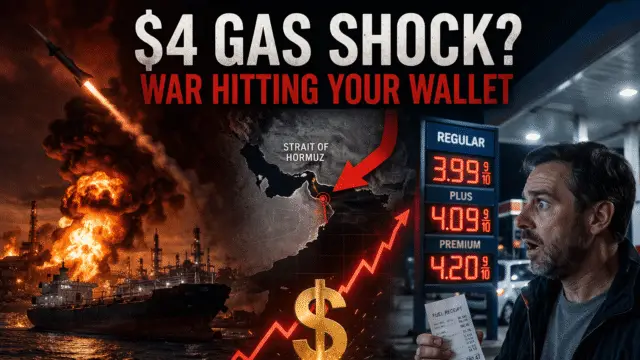
When Iran closed the Strait of Hormuz in March 2026, American families felt the impact immediately—not as distant geopolitics, but as brutal budget arithmetic at the gas pump. Single mother Luna Rosado’s weekly fuel costs jumped $40, wiping out her Uber side income and forcing impossible choices between transportation and food. The shocking truth: 48% of Americans have zero cash buffer after monthly bills, making them catastrophically vulnerable to oil price shocks. While oil companies post record windfall profits, working families absorb the devastation of a decades-old infrastructure failure that locked them into car dependency with no alternatives. This is economic warfare disguised as foreign conflict.
 Work & Economy
Rent didn’t rise naturally. It was engineered. The RealPage scandal reveals how corporate landlords used AI-driven algorithms to coordinate rent hikes across the United States, extracting billions from everyday renters. By removing competition and replacing human judgment with automated pricing, the housing market was quietly transformed into a controlled system. This isn’t just a housing issue—it’s a systemic manipulation of the American middle class.
 Energy & Economy
A third of Americans are lonely. Not once in a while, but all the time. And for millions, that loneliness is more than just emotional. It’s monetized.
The modern American worker is exhausted, isolated, and running on empty. Long work hours, rising costs, and shrinking social circles have quietly dismantled real human connection. Into that vacuum, Silicon Valley has stepped in—not with a solution, but with a subscription.
AI companions are being sold as digital friends, emotional support systems, even romantic partners. But behind the comforting replies and simulated empathy lies a cold business model: keep users just connected enough to stay, and just lonely enough to keep paying.
This isn’t innovation. It’s exploitation.
We are witnessing the rise of a new economy—one that profits from human isolation. Where loneliness isn’t solved, but sustained. Where emotional dependence becomes recurring revenue.
The question is no longer whether AI can replicate human connection.
The real question is, why are we being told to change it in the first place?
 Work & Economy
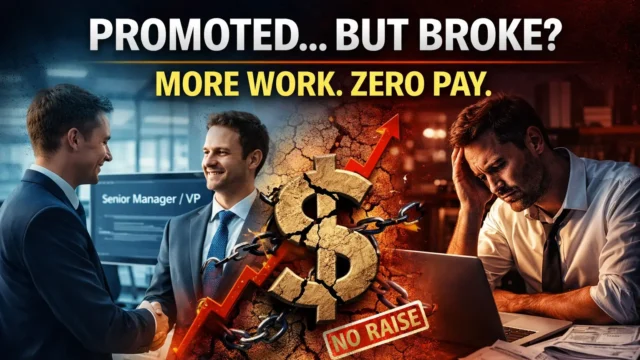
Nearly one in four United States companies handed out a title change without a single dollar of actual salary increase last year. That is not…
 Energy & Economy
The Question of Being Human I remember sitting in a boardroom that was too bright and too air-conditioned in late 2019 and watching a group…
 Work & Economy
The American economic engine relies on a fundamental, unwritten contract: the worker exchanges time and labor for the financial stability required to live with dignity….
 Work & Economy
Walk into the gleaming lobbies of any major US technology corporation in 2026, and you will be sold a carefully curated hallucination. You will see…
 Current Affairs & Society
Executive Summary The period spanning from the inauguration of Donald Trump for a second term in January 2025 through the midpoint of 2026 has constituted…
 Health
I spent 17 years sitting in corporate human resources departments, acting as the designated messenger between profit-driven executives and the workforce that actually kept the…
 Work & Economy
If we were sitting across from each other having a coffee right now, I would tell you a dirty little secret about the corporate world—one…
 Tech
Tech
The digital age has long relied upon a brilliant, deeply deceptive metaphor: the “cloud.” The terminology inherently suggests something ethereal, weightless, and infinitely renewable—a benign,…
 United States
The narrative broadcast by official macroeconomic channels over the past several years has been one of relentless resilience. It is a story of a robust…
 United States
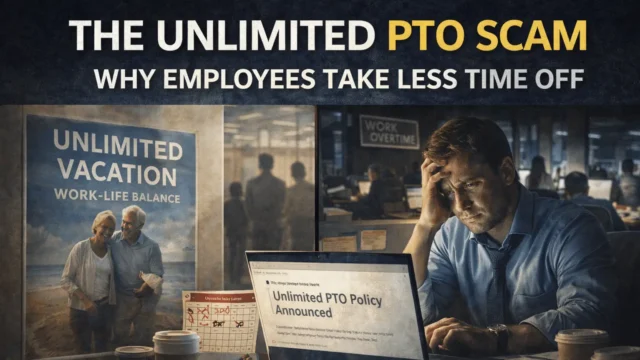
In my 17 years working deep within the machinery of corporate Human Resources, I have occupied a front-row seat to the evolution of the modern…
 United States
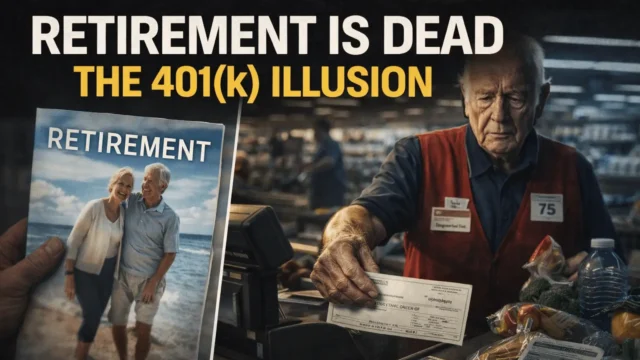
I want to talk to you about the greatest financial bait-and-switch in modern American history. If you walk into almost any big-box hardware store, massive…
 United States
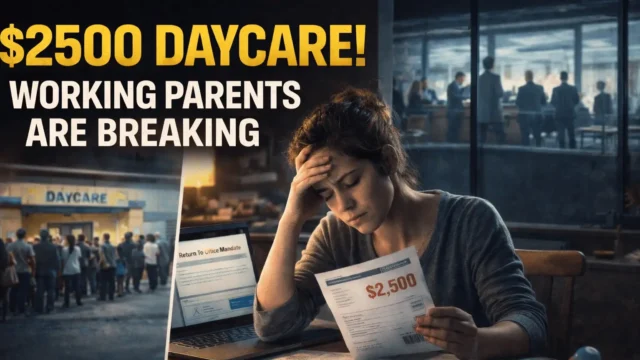
For seventeen years, I sat across from employees in sterile corporate Human Resources offices. I have seen every iteration of human ambition, burnout, and desperation….
 HR & Corporate Insights
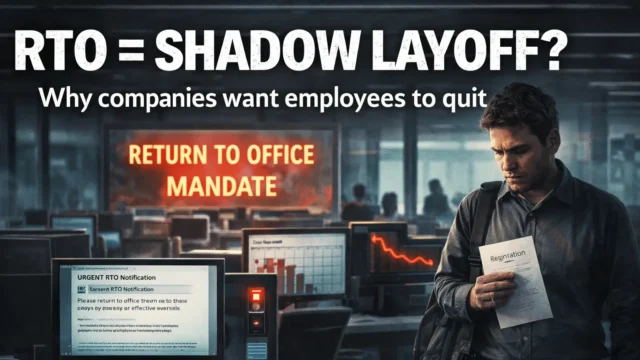
The corporate narrative defining the economic landscape of 2026 is one of collaboration, culture, and a desperate, mandated return to the physical office. Across the…
 United States
A fifteen-second video uploaded to a social media platform is rarely just a digital artifact; it is frequently a cultural Rorschach test that exposes the…