Are Your Prices: Set by Data?
A research study examines how consumer data may shape individualized retail prices and platform pay across the United States. It also reviews emerging state laws and the incentives behind these systems.

Cost of living, prices, debt, housing, markets and the economic pressures on households.
 Economy
A research study examines how consumer data may shape individualized retail prices and platform pay across the United States. It also reviews emerging state laws and the incentives behind these systems.
 Economy
A San Diego realtor describes a family with income and savings whose home purchase is blocked by documentation requirements. Their experience highlights how foreign credit histories, overseas funds and mortgage eligibility rules complicate homeownership for newcomers.
 Economy
A coalition of 27 organizations is asking the FTC to ban surveillance pricing, arguing that disclosure cannot explain or prevent unfair algorithmic prices. The agency has not responded, and its proposed policy remains under review.
 Economy
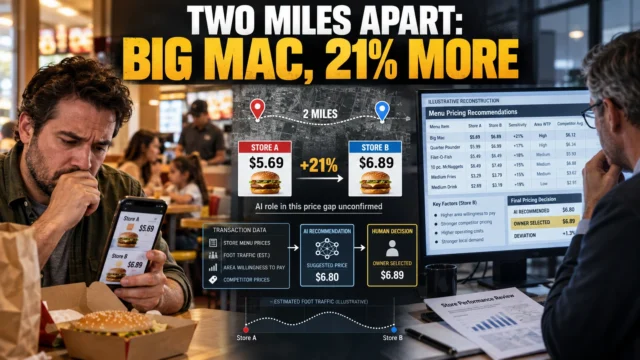
Two company-run McDonald’s restaurants in Fresno listed Big Macs at $5.69 and $6.89, despite being two miles apart. Reporting examines the chain’s AI pricing recommendations, although Reuters could not confirm what caused that specific gap.
 Economy
Walmart promises not to use personal information to charge individual shoppers more. The pledge leaves data collection, targeted advertising and price changes that apply to everyone intact.
 Immigration
New federal Medicaid restrictions took effect October 1, putting roughly 8,000 lawfully present Pennsylvania residents at risk of losing coverage. Final termination counts remain unavailable, while documentation requests and appeals complicate access to remaining benefits.
 Economy
Harlow Srain contacted more than 200 San Francisco landlords and property managers seeking a rent discount. None lowered the price as rising AI wealth and scarce vacancies intensified the city’s housing squeeze.
 Economy
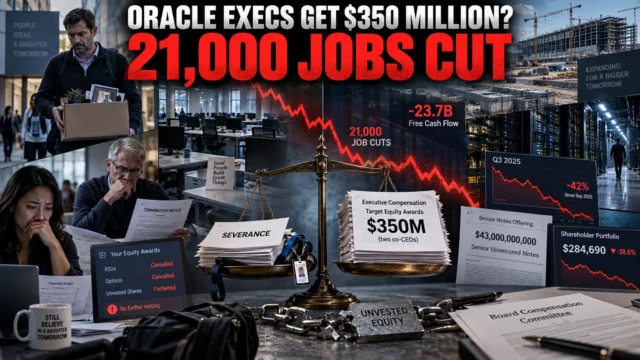
Oracle awarded its new co-CEOs $350 million in target equity as the company accelerated AI infrastructure spending. A year later, shares had fallen sharply, free cash flow was negative and about 21,000 jobs had been eliminated.
 Society
Modern connected cars and companion apps can transmit location, VINs and driving behavior to advertising, analytics and data-broker networks. Researchers and regulators are exposing how this data can affect privacy, insurance costs and consumer control.
 Economy
Kansas City-area hospitals are taking patients to court over unpaid medical bills, with default judgments and wage garnishments hitting financially vulnerable families hardest. The litigation exposes sharp differences in how regional health systems pursue debt.
 Work & Labor
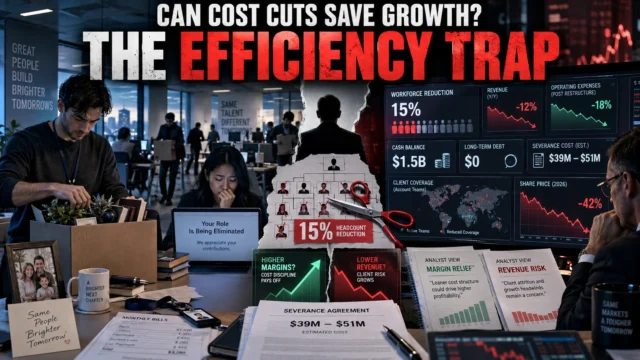
The Trade Desk is cutting roughly 15% of its global workforce after a sharp revenue slowdown. The restructuring has split analysts over whether lower costs can offset risks to client service, revenue and employee stability.
 Economy
A Brooklyn lender routed hundreds of confession-of-judgment actions through Iowa courts against borrowers located elsewhere. The practice has triggered legal challenges over notice, debt balances and due-process protections.
 Work & Labor
Visa eliminated roughly 2,600 positions, including about 1,700 technology and product roles, as it redirected investment toward automation and emerging payment networks. The cuts took effect October 1 despite strong quarterly revenue and profits.
 Economy
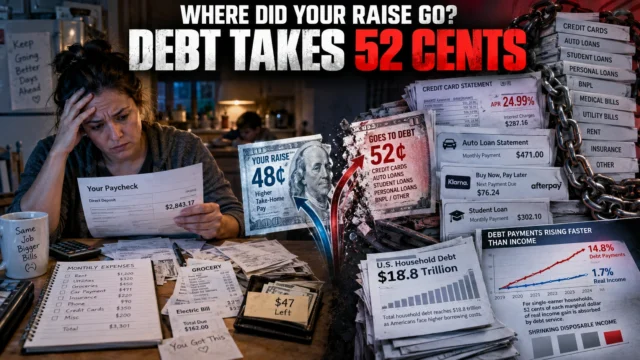
Recent US wage gains are being eroded by rising household debt payments. Single-earner households lose 52 cents of every marginal dollar gained to debt service.
 Economy
Vanguard data shows many indebted heirs receive inherited retirement assets that still leave them about $35,000 short of what they owe. Late inheritances, high-interest debt, taxes and healthcare costs can weaken the financial impact of family wealth transfers.
 United States
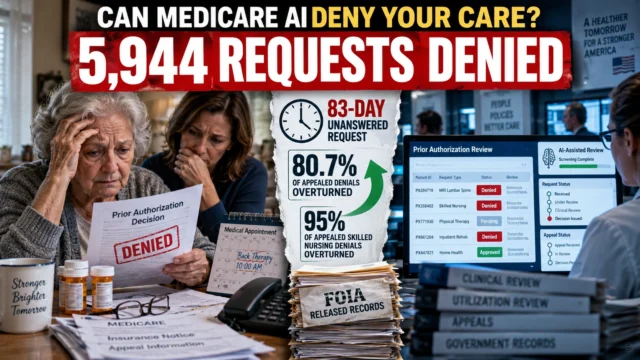
Medicare’s WISeR pilot denied 5,944 requests through two vendors in its first three months. Federal data also show that many appealed denials across Medicare Advantage are later overturned.
 Economy
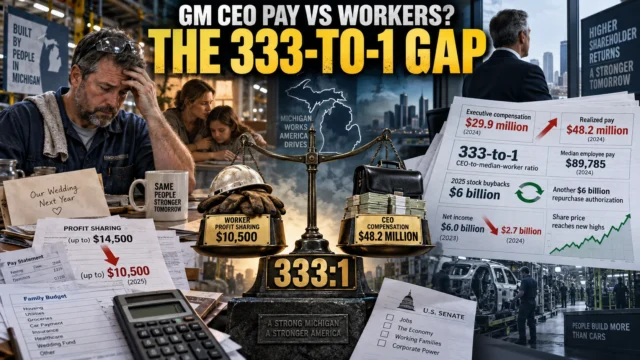
GM reported Mary Barra’s 2025 compensation at $29.9 million, 333 times its median employee pay, while UAW profit-sharing checks fell. An opinion column argues Michigan’s Senate candidates should address the widening executive-worker pay gap.
 Society
TikTok agreed to pay Alabama at least $100 million and introduce new teen safeguards, including time limits, overnight restrictions and a default non-personalized feed. The settlement also ends a trial that could have put internal evidence before a jury.
 Economy
Thirty-seven percent of American parents of young children expect financial help from parents or grandparents in the coming year. The growing reliance on family money exposes sharp divides in childcare costs, wealth and intergenerational support.
 Economy
A Utah startup is pitching employer-funded homebuying help as a workplace benefit. The assistance can be valuable, but workers should understand what happens to employer contributions, referrals and savings if they leave their job.